
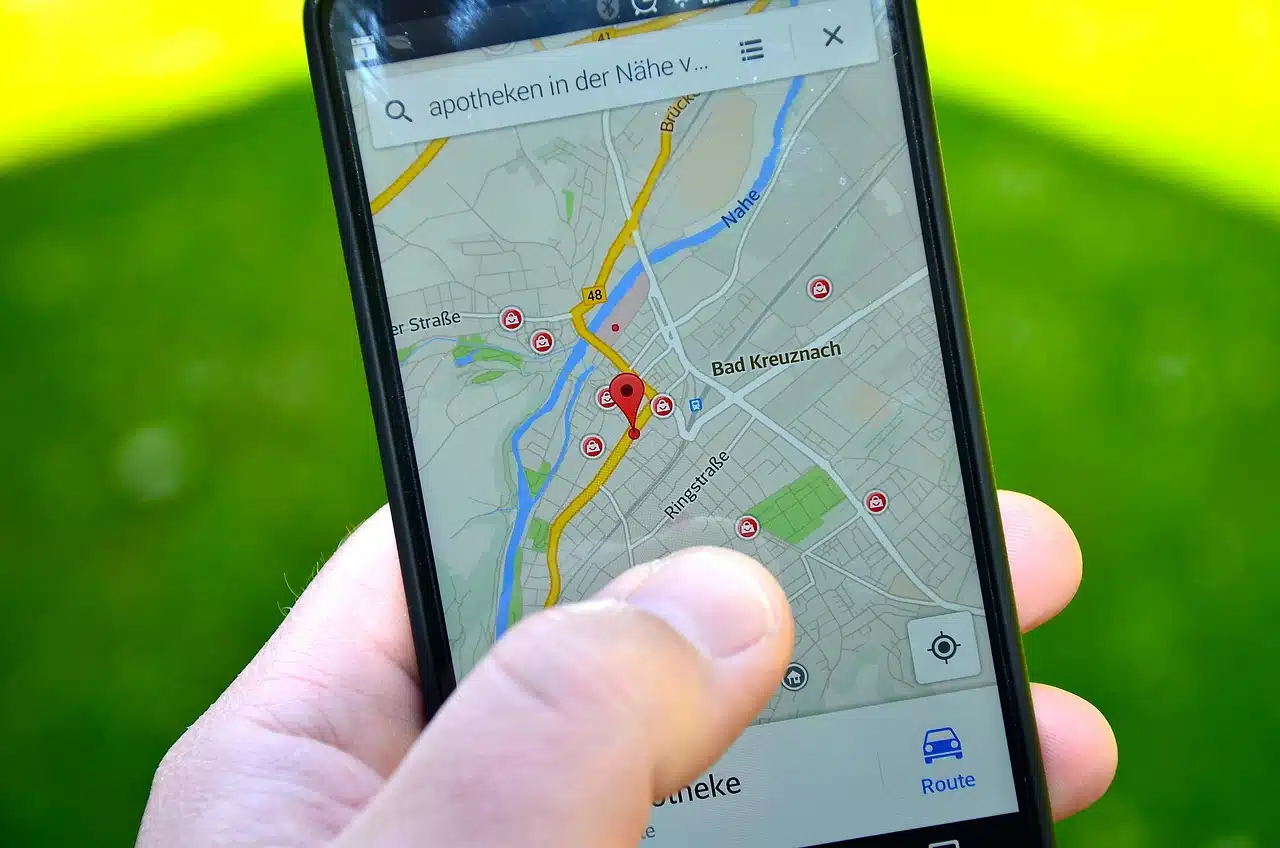
When the phone in your pocket goes missing, panic often sets in faster than you can say “Find my phone.” In the past, this meant dialing emergency services or scrambling through an app’s settings. Today, however, a simple web link can turn that scramble into a calm, step‑by‑step search.
From IMEI to Phone Number: The Evolution of Mobile Tracking
The first method to locate a lost device relied on the IMEI, a 15‑digit identifier etched into every handset. Carriers and law enforcement could use it to trace a phone’s movement across cell towers, but only if the carrier had an active subscription or legal warrant.
- IMEI tracking requires you to know the exact number, which is often hidden behind the device’s settings or printed on its box.
- Because IMEI databases are controlled by telecom operators, average users rarely have direct access.
- In 2026, most carriers still offer a “track‑by‑IMEI” service for an additional fee.
The next leap was to use the phone’s mobile number itself. With this approach, anyone can submit a number into a web portal and receive a real‑time map of that device—no app download required. This method is especially handy if you simply need to locate a family member’s lost phone or a colleague’s misplaced work device.
Why the Number‑Based Method Wins Over Apps
Apps such as Google Find My Device or Apple Find My iPhone demand that the target phone has already been configured with an account and that location services are turned on. If the handset is switched off, in airplane mode, or simply hasn’t been set up for remote tracking, these apps become useless.
| Scenario | App‑Based Tracking | Number‑Based Tracking |
|---|---|---|
| Phone powered off | No data | Last known location via carrier |
| Location services disabled | No GPS data | Cell tower triangulation still works |
| New user without account | Cannot set up | Works immediately with just the number |
| Multiple devices sharing same SIM | Hard to differentiate | Number uniquely identifies each device |
Moreover, privacy advocates point out that app‑based solutions often collect additional data—such as browsing history and contact lists. The number‑only approach keeps the data stream narrow, focusing solely on location.
How to Use a Web Portal for Phone Tracking by Number
The process is straightforward: enter the phone’s international format number into the tracking portal, hit search, and voilà—an interactive map appears.
- Open your browser and navigate to the tracking site. A popular choice in 2026 is the service provided by Airtel India, which has been updated to support international numbers.
- Enter the full phone number, including country code (e.g., +49 170 1234567 for a German handset).
- Click “Locate”. The portal will query carrier databases and return the most recent coordinates.
- Use the map tools to zoom in, view directions, or trigger an audible alarm if the device is nearby.
To illustrate, consider a scenario where your sister’s phone vanished while she was traveling in Switzerland. By simply visiting the portal and inputting her number, you can see that the handset is currently within a 200‑meter radius of a train station—enough information to contact her or inform authorities.
Legal and Ethical Considerations
While the technology is powerful, it also raises privacy questions. In most jurisdictions, tracking a phone without the owner’s consent is illegal unless you are law enforcement with a warrant. For personal use—such as locating a child’s device or a lost family member—most countries allow the action provided you have a legitimate reason.
Always double‑check local regulations before initiating a search. Some carriers may flag repeated requests from the same IP address, potentially leading to temporary blocking of the service.
The Role of Carrier Services in Modern Tracking
Telecom operators are now offering dedicated tracking APIs and web interfaces that let users locate devices without installing anything on the phone itself. These services rely on cell tower triangulation, which can pinpoint a handset within a few hundred meters—good enough for most recovery scenarios.
- Airtel’s Global Tracking Portal supports numbers from over 200 countries and offers an easy-to‑use map interface.
- Vodafone’s LocateMe provides real‑time updates every minute, useful for tracking vehicles or fleet management.
- In the U.S., AT&T’s Find My Phone can be accessed through the carrier’s mobile app but also via a web portal for quick checks.
Because these services are backed by the carriers’ own infrastructure, they tend to have higher accuracy than third‑party sites that rely on crowdsourced data. However, they may require you to register an account and verify your identity before you can use the feature.
Integrating with Smart Home Ecosystems
Smart home assistants like Google Assistant or Amazon Alexa can now trigger a carrier’s tracking portal via voice commands. For example, saying “Hey Google, where is my phone?” will prompt the assistant to open the web portal and display the location on your screen.
This seamless integration reduces friction for users who prefer hands‑free solutions, especially when they’re juggling multiple devices or need to locate a phone in a noisy environment.
Free Alternatives: Finding Phone Numbers Without an App
If you’re looking for a zero‑cost method that doesn’t involve installing anything on the device, there is a reliable web service that does exactly that. By simply entering a phone number into its search field, you can retrieve the latest known location of the handset.
Here’s how to do it:
- Open your browser and type the following URL: Find phone numbers for free without an app.
- Enter the full international number, including the country code.
- The site will return a map with the handset’s current coordinates and additional details such as carrier and last known activity.
This method is especially useful when you’re in a foreign country and cannot rely on your home carrier’s portal. The service aggregates data from multiple carriers, ensuring broader coverage across regions.
Why This Service Stands Out
- No registration required: You can use it immediately without creating an account.
- It supports over 300 countries, making it a global solution.
- The interface is mobile‑friendly, so you can check the location from your own phone if it’s still active.
Practical Tips for Maximizing Tracking Success
Even with the best tools, certain practices can improve the likelihood of a quick recovery:
- Keep the device on and connected to cellular networks. If it’s turned off or in airplane mode, most services will only show its last known position.
- Enable “Find My Phone” on Android or iPhone beforehand. While the number‑based method works without these settings, having them active gives you extra options like remote lock or erase.
- Share your number with trusted contacts. In case you need a second pair of eyes to locate the device in a crowded area.
- Check the battery level remotely. Some portals display an estimated charge, helping you decide whether to send a friend to retrieve it or wait for a charging station.
When to Escalate to Law Enforcement
If your attempts fail and you suspect theft, contact local police. Provide them with the phone’s IMEI and the last known location from the tracking portal. In many countries, authorities can then request the carrier to suspend service or provide additional data under a warrant.
Looking Ahead: The Future of Phone Tracking
The trend toward privacy‑respectful tracking is gaining momentum. As regulations like GDPR and CCPA tighten, carriers are moving toward more transparent data usage policies. Meanwhile, new technologies such as Ultra‑Wideband (UWB) promise centimeter‑level accuracy for nearby devices.
For now, the combination of carrier portals and free web services provides a robust toolkit for anyone who needs to locate a phone quickly and legally. By leveraging these resources, you can turn a potentially stressful loss into a simple, data‑driven search—without installing yet another app on your own device.